Metal Fabrication in Westlake Hills: A Fall Buyer's Guide
Outdoor Renovations has been building custom metal work for homes across Austin Metro & Central Texas since 2022, and metal fabrication is one of the most requested — and most misunderstood — services we offer. Custom iron and steel work covers everything from fences and gates to retaining wall caps, garden edging, and architectural pergola frames, all built to match your property instead of pulled off a shelf. For homeowners in Westlake Hills, where mature tree canopy meets rocky limestone lots, getting the metal work right takes more than a welder and a truck full of steel.
Metal Fabrication Guide for Westlake Hills Homeowners Metal fabrication covers custom fences, gates, retaining wall edging, and architectural features built from steel, iron, or aluminum. In Westlake Hills, fall is the ideal season to install these features — cooler temps mean better welding conditions and easier ground work. Homeowners should know that soil type, post depth, and coating quality matter more than style when it comes to long-term performance in Hill Country conditions.
Why Fall Is the Right Season for Metal Work in Westlake Hills
This week's forecast still has highs near 102°F, which is a good reminder of why we time big install projects around the calendar and not just the calendar date. Welding steel in direct summer sun is miserable and honestly less precise — metal expands with heat, and a fabricator working in extreme conditions has to fight the material more than usual.
Once temperatures settle into the 75°F to 85°F range that fall usually brings to Central Texas, everything gets easier. Posts go into the ground cleaner. Powder coating cures better. And if your project involves any concrete footings, you're working well under that upper heat threshold where pouring gets risky.
Fall also lines up with the second big planting window of the year, September through November. If your metal fence or gate project connects to new landscaping, this is the stretch where the two can happen together instead of in two separate disruptive phases.
Key Takeaway: Cooler fall weather in Westlake Hills makes metal fabrication easier to install correctly — better welds, better coating results, and easier digging in clay and limestone soil.
The Soil Problem Nobody Tells You About
Here's something most homeowners don't think about until a fence post starts leaning: Westlake Hills sits on a mix of expansive clay and limestone bedrock, and that combination is tough on anything anchored in the ground.
Expansive clay swells when it's wet and shrinks hard when it dries out. That movement pushes and pulls on anything set in it, including fence posts and gate columns. If a post isn't set deep enough, or if the footing isn't sized right for the soil, you'll see leaning, gate misalignment, or gaps forming within a couple of years.
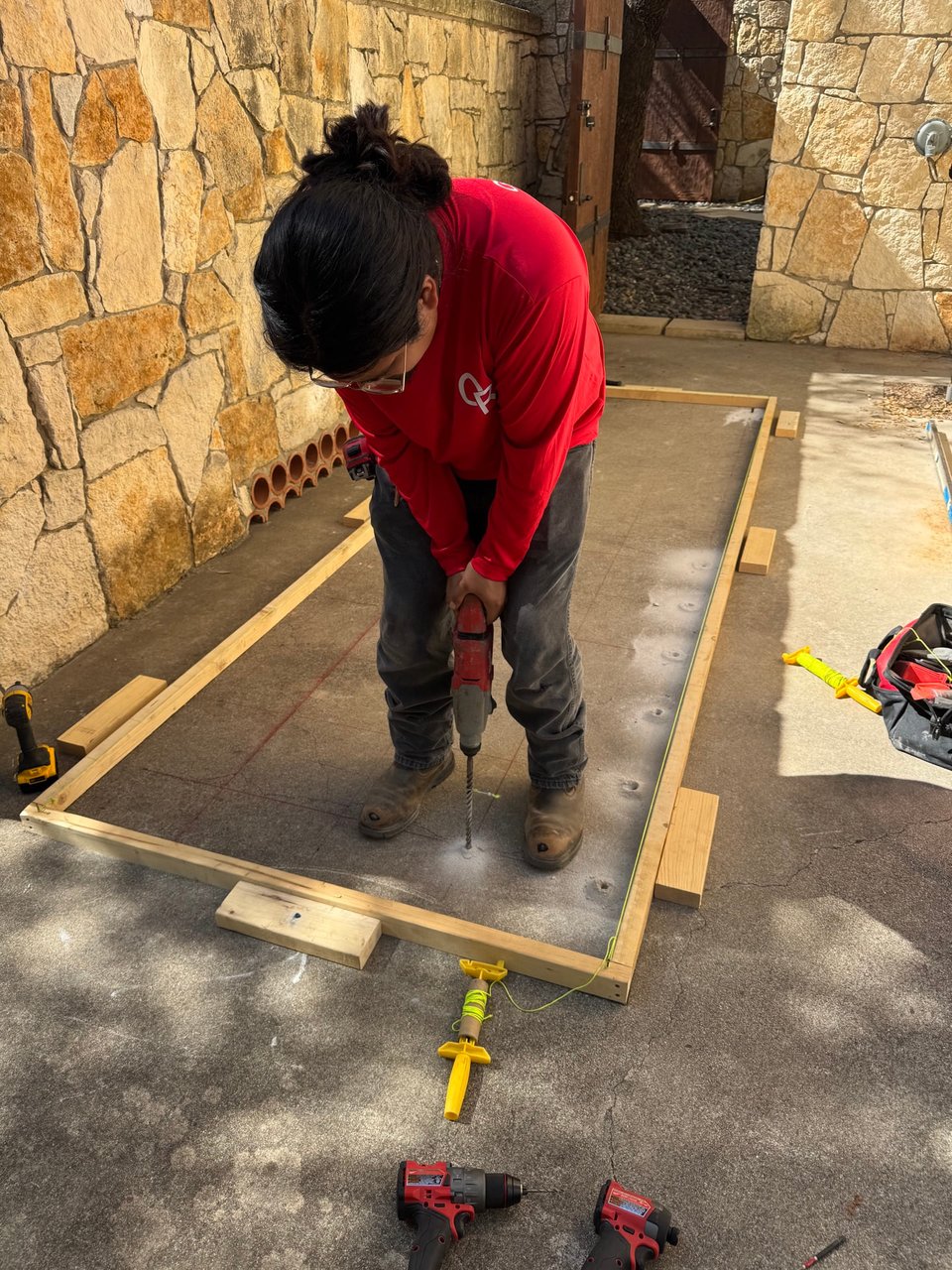
Limestone brings a different challenge. In a lot of Westlake Hills yards, you hit solid rock a foot or two down. That means posts sometimes need to be core-drilled instead of dug, which takes different equipment and more time. Skipping this step to save money is one of the most common corner-cuts we see from other contractors, and it always shows up later as a wobbly gate or a fence line that's shifted out of square.
In Kyle Stoutenger's experience, the most common failure point in Central Texas metal fencing isn't the metal at all — it's the footing. Sixteen-plus years of fieldwork across Hill Country properties has shown that a fence can be built from the best steel available and still fail early if the post isn't set to match the soil underneath it.
Key Takeaway: Metal fencing and gates fail because of bad footings, not bad metal. Post depth and footing method need to match your specific soil — clay, limestone, or both.
Steel, Iron, or Aluminum: Picking the Right Material
Homeowners often assume "wrought iron" and "metal fence" are the same thing. They're not, and the difference matters for your budget and your maintenance plan.
Wrought iron is a traditional material that's mostly been replaced by mild steel today. True wrought iron is hand-forged and expensive to source. Most "iron" fences and gates you see now are steel, styled and finished to look like the classic ironwork.
Steel is the workhorse material for custom gates, fences, and architectural features. It's strong, it welds cleanly to exact measurements, and it holds detailed designs well. The catch is that raw steel rusts. It needs a proper primer and powder coat or paint system to hold up through Central Texas humidity swings and summer heat.
Aluminum won't rust, period. That makes it appealing for low-maintenance fencing. But it's not as strong as steel, so it's a poor choice for large driveway gates, load-bearing structures, or anything that takes daily impact.
A common misconception we run into is homeowners thinking a "powder-coated" finish means zero maintenance forever. Powder coating is tough, but chips happen — a mower kicks up a rock, a gate scrapes against a post. Once the coating breaks, exposed steel starts rusting fast in our climate. Catching and touching up those chips early is the real secret to a fence that still looks sharp after ten years.
Key Takeaway: Steel offers the best strength-to-cost ratio for most Westlake Hills projects, but it depends on quality coating work. Aluminum trades strength for zero rust. Neither is "better" — it depends on what the feature needs to do.
Custom Features Beyond the Fence Line
Metal fabrication isn't only about property-line fencing. Some of the most requested work we do in Westlake Hills includes:
- Custom gates — driveway gates, pedestrian gates, and side-yard access gates, all built to exact width and swing clearance
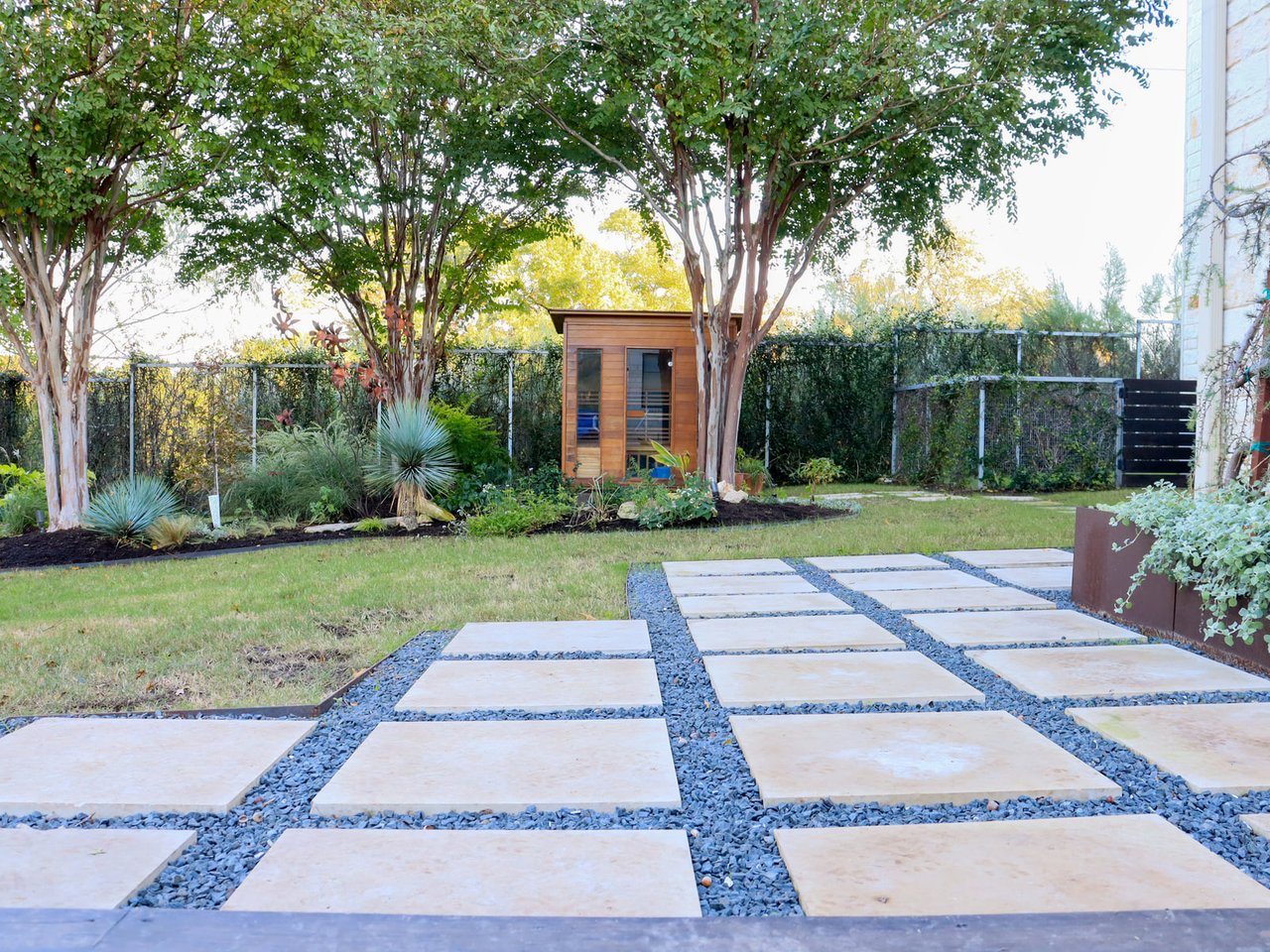
- Steel bed edging — clean, low-profile borders between lawn and planting beds that hold their line better than plastic or stone over time
- Retaining wall caps and accents — metal detailing that pairs with stone or block retaining walls for a finished, custom look
- Pergola frames and architectural features — steel structural elements that pair well with our custom carpentry work for a mixed-material outdoor structure
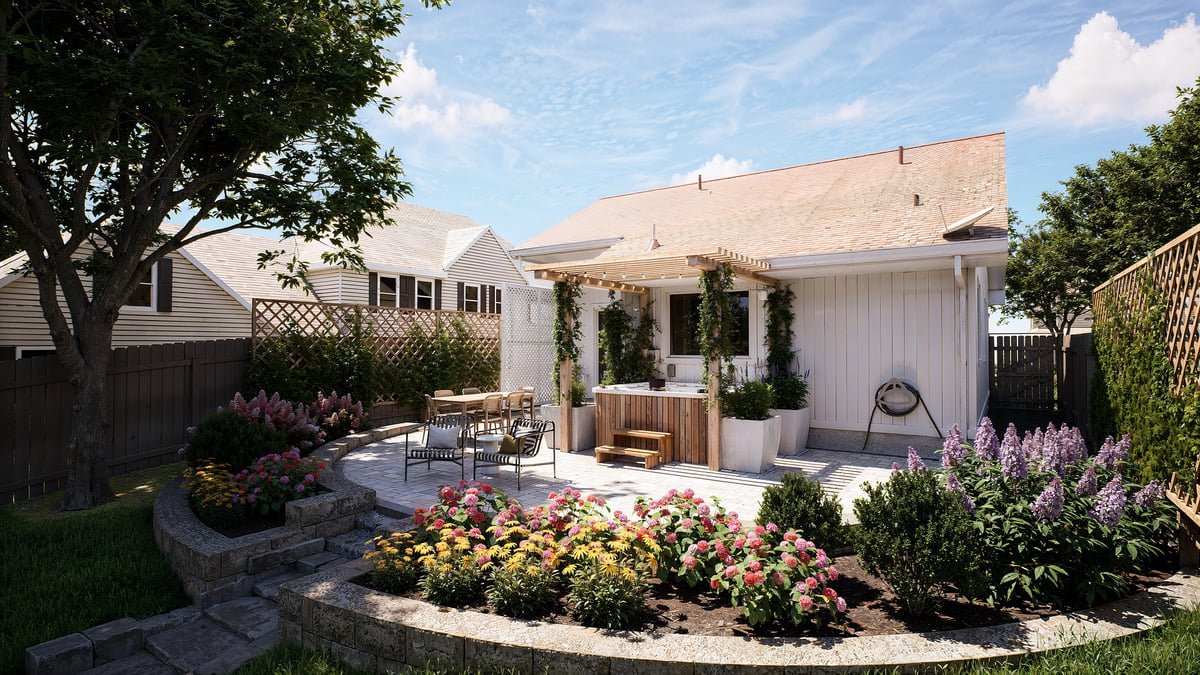
A lot of these features work best as part of a bigger design conversation. If you're planning a full backyard overhaul, it usually makes sense to loop in landscape design early so the metal work, hardscape, and planting beds all work together instead of getting bolted on one at a time.
Key Takeaway: Metal fabrication covers far more than fencing — edging, retaining wall accents, and structural framing all benefit from custom steel and iron work built to your yard's exact layout.
Metal Work and Drainage: A Connection Most People Miss
Here's a detail that catches homeowners off guard: fence lines and metal edging can quietly mess with your yard's drainage if they're not planned carefully.
A solid metal fence panel set low to the ground can act like a small dam during heavy rain, especially on sloped Westlake Hills lots. Steel bed edging that's set too high can trap water in planting beds instead of letting it drain toward the yard. Neither of these problems shows up on install day — they show up during the next big rainstorm.
This is why we always walk a property's grading and drainage patterns before finalizing a metal fabrication design. If your yard already has runoff issues, it's worth pairing your fabrication project with a look at irrigation and drainage solutions so water has somewhere to go besides your neighbor's yard — or your foundation.
Speaking of water: this week's heat is a reminder to check your irrigation system regardless of any fabrication plans. Smart controllers can cut water use significantly compared to older timer-based systems, and running drip zones correctly right now protects the plantings around your new metal features while temps are still climbing near 102°F. Austin Water's mandatory restrictions apply year-round, so a system that runs efficiently within your allowed watering days matters more than ever during a hot stretch like this one.
Key Takeaway: Metal fencing and edging can change how water moves through your yard. Plan drainage alongside fabrication, not as an afterthought.
Common Mistakes We See in DIY and Budget Metal Work
After years of repair calls and replacement jobs, a few patterns keep showing up:
Undersized posts. A post that looks fine on paper but is too thin for the panel weight or wind load will lean within a year or two, especially on exposed Hill Country lots.
Skipping the primer coat. Painting straight over bare steel without a proper primer is a fast track to rust bubbling up through the finish within a season or two.
Ignoring tree roots. Westlake Hills' mature tree canopy means roots run wide and shallow in a lot of yards. Digging a post hole without checking for roots first can damage a tree or hit a root mass that forces the post out of alignment.
Matching gate hardware to the wrong gate weight. A heavy steel driveway gate on residential-grade hinges and a light-duty auto-opener will fail early — usually within the first year of heavy use.
Contractor insight: one lesson that's held true across years of Hill Country projects is that a fence is only as good as the third of it you can't see. The posts, footings, and hardware buried below grade or hidden in the hinge do more work than the visible panel. Cutting cost there to afford a nicer-looking panel is a trade that rarely pays off.
Key Takeaway: The most expensive metal fabrication mistakes happen underground and out of sight — post depth, footing size, and hardware rating matter more than surface finish.
Planning Your Project This Fall
If you're considering a fence, gate, or custom metal feature, fall is genuinely the best window to start. Cooler weather means better working conditions, and getting the project done before winter means you're ready for spring planting season without a construction project competing for space.
We serve Westlake Hills alongside nearby communities including Rollingwood, Barton Creek, Tarrytown, and Bee Cave, so we're familiar with the soil and terrain quirks specific to this part of Travis County. For more on general landscape planning resources, the Lady Bird Johnson Wildflower Center (https://www.wildflower.org) has useful background on native plant pairings that work well alongside metal edging and fencing, and Texas A&M AgriLife Extension (https://agrilifeextension.tamu.edu) offers solid soil science background if you want to understand your yard's specific dirt before we break ground.
Metal Fabrication in Westlake Hills & Central Texas
- Landscape Design in Westlake Hills
- Hardscaping in Westlake Hills
- Custom Carpentry in Westlake Hills
- Softscaping & Planting in Westlake Hills
- Irrigation & Drainage in Westlake Hills
- Landscape Lighting in Westlake Hills
- Metal Fabrication in Westlake Hills
- Property & Pest Management in Westlake Hills
Ready to talk through a custom fence, gate, or metal feature for your Westlake Hills property? Outdoor Renovations is fully bonded and insured, backed by a 1-year service guarantee, and has completed 200+ projects across Central Texas with a 5.0-star rating. Call Kyle Stoutenger and the team today at (512) 743-0570, or reach out through our contact page to start planning your fall project.
Landscaping Services Near You
Frequently Asked Questions
Why is fall a good time for metal fabrication projects in Westlake Hills?
Fall temperatures drop out of the triple digits, which makes welding, coating, and installation work go smoother. Ground conditions are also easier to dig in after summer's dry spell breaks, and homeowners get their new fence, gate, or feature in place before spring planting season.
What metal works best for fences and gates in Central Texas heat?
Powder-coated steel and wrought iron both hold up well, but they need the right prep. Raw steel that isn't properly primed and coated will rust fast once humidity and heat cycle through it. Aluminum resists rust completely but isn't as strong for large gates or structural posts.
Can metal fencing handle the clay and limestone soil in Westlake Hills?
It can, but only if the posts are set correctly. Expansive clay swells when wet and shrinks when dry, which can heave or shift posts that aren't set deep enough or anchored properly. In limestone areas, footings often need to be drilled rather than dug.
How long does custom metal fabrication take?
Simple projects like steel bed edging can wrap up in a few days. Custom gates, iron fencing runs, or architectural features usually take a few weeks from design to install, since each piece is measured, cut, and welded to fit your property.
Do I need a permit for a fence or gate in Westlake Hills?
It depends on height, location, and whether the property is near a right-of-way or easement. We handle the details during design so you don't have to track down Travis County or city rules yourself.
How do I maintain metal fencing or gates once they're installed?
Rinse off dirt and pollen a few times a year, check hinges and hardware for movement, and touch up any chipped coating before rust can start. A yearly walk-around catches small issues before they turn into big repairs.
What's the difference between wrought iron and steel fabrication?
True wrought iron is a traditional, hand-forged material that's mostly replaced today by mild steel styled to look like it. Steel is more consistent, easier to weld to exact specs, and generally more affordable while still giving you that classic iron look.
Need Landscaping Service in Austin?
Contact Outdoor Renovations today for metal fabrication services in Austin, TX.