Property & Pest Management in Westlake Hills, TX This Fall
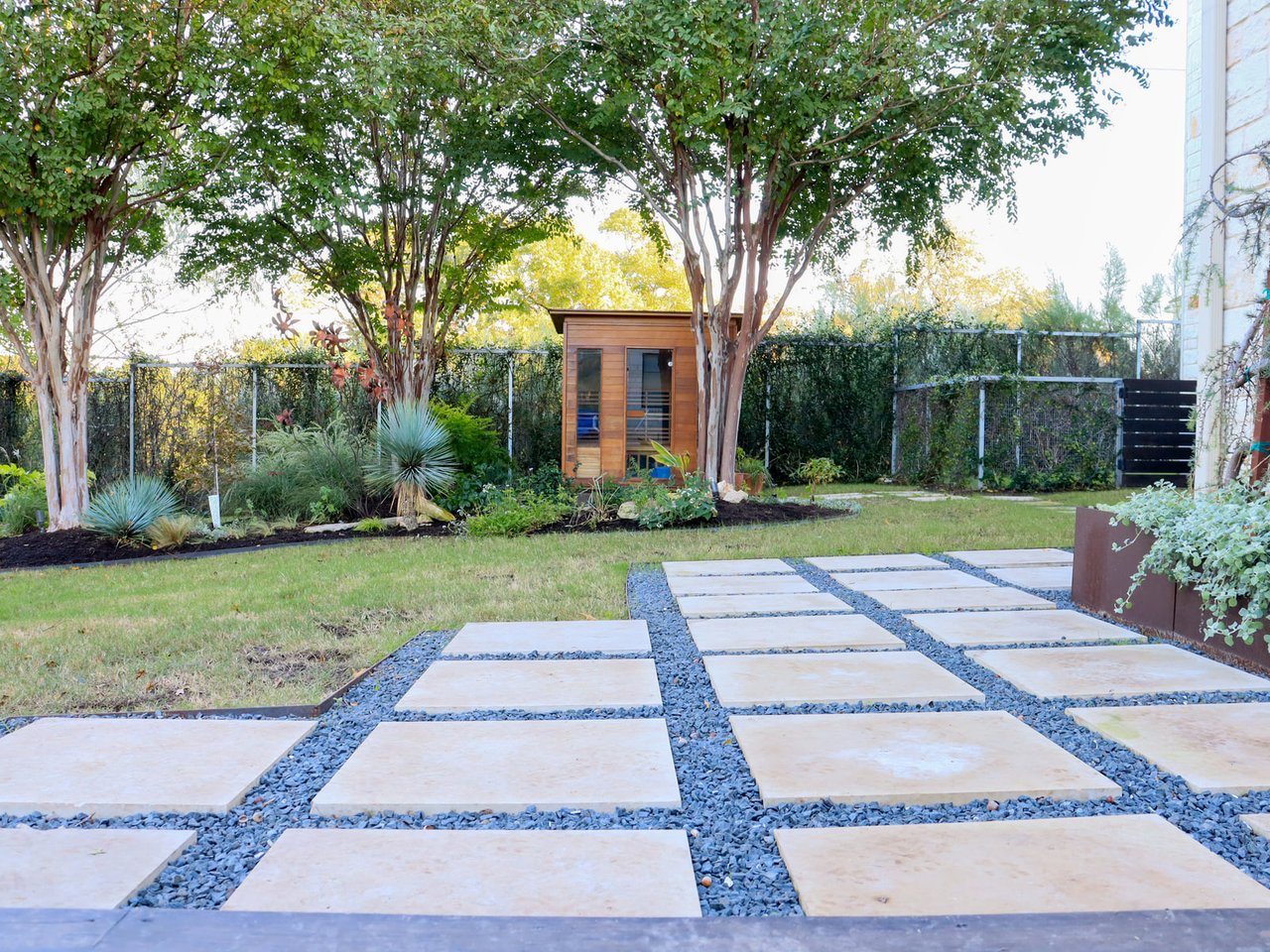
If you own a home in Westlake Hills, you already know your landscape works harder than most. Steep limestone grades, mature oak canopy, and clay soil that swells and shrinks with every rain event make this one of the more demanding pieces of ground in Central Texas to maintain. Outdoor Renovations has spent years working on properties just like yours, and our Property & Pest Management service exists for exactly this kind of terrain — ongoing care that protects your investment instead of just reacting after something breaks.
Property & Pest Management Guide for Westlake Hills Homeowners Property & Pest Management covers ongoing lawn care, drainage checks, pest monitoring, and seasonal upkeep for Westlake Hills properties. Fall rain and steep Hill Country grades raise the risk of erosion, clogged drains, and pest intrusion into homes and structures. Regular maintenance catches small problems — a slow drain, a cracked paver joint, a termite trail — before they become costly repairs. For homeowners with mature trees and sloped lots, fall is the season when a maintenance plan pays for itself the fastest.
Why Fall Changes the Game for Westlake Hills Properties
Fall in Central Texas looks calm on paper. Temperatures drop into the 65°F to 90°F range, which feels like a relief after a brutal summer. But this week's forecast — four days of rain with severe thunderstorms moving through the Austin area — is a good reminder that fall is actually one of the more demanding seasons for property upkeep.
Westlake Hills sits on a mix of Austin clay and limestone substrata. That combination doesn't handle sudden heavy rain well. Clay soil swells when it's wet and shrinks when it dries, and on a slope, that swelling can push soil and mulch right off your beds. Limestone doesn't absorb water quickly either, so runoff tends to move fast and find the path of least resistance — usually straight toward your foundation, patio, or low points in the yard.
In Kyle Stoutenger's experience, the properties that avoid fall storm damage aren't the ones with the fanciest drainage systems. They're the ones that get checked regularly. A French drain (a buried pipe surrounded by gravel that redirects water away from a problem area) works great — until leaves and silt clog the inlet and nobody notices until water is pooling against the house.
Key Takeaway: Fall rain hits Westlake Hills clay and limestone terrain harder than flatter parts of Austin. Regular property checks catch drainage and erosion problems before a storm turns them into real damage.
What Property & Pest Management Actually Covers
A lot of homeowners think "property management" just means mowing the lawn. It's really a broader umbrella that covers everything keeping your landscape alive and your structures protected.
Lawn and bed maintenance is the baseline — mowing, edging, mulching, and keeping planting beds weeded. But on a Westlake Hills property, this also means watching how water moves through your beds after every rain and adjusting mulch depth or grading before it becomes a channel for runoff.
Drainage monitoring is where a lot of value gets added that homeowners don't see until it saves them money. We check channel drains, French drains, and grade changes to make sure water is still moving where it's supposed to. If you've had any irrigation and drainage work done, fall storms are the real test of whether that system is performing.
Pest monitoring covers more than spraying for bugs. Heavy rain drives insects and rodents toward dry, sheltered spots — which often means your home, your deck, or any wood structures on the property. Catching activity early is a lot cheaper than dealing with an infestation in a cedar pergola or under a wood deck built by custom carpentry work.
Plant health checks look at whether your trees and shrubs are handling the season well. Mature live oaks and cedar elms common in Westlake Hills can develop root issues after repeated saturation, especially if drainage near the trunk is poor.
A lot of our Westlake Hills clients start with a focused need — maybe erosion control after a bad storm season — and end up on a year-round plan once they see how much it catches. We see the same pattern in nearby Barton Creek and Rollingwood, where similar terrain creates similar problems.
Key Takeaway: Property & Pest Management is a combined service — lawn care, drainage checks, pest monitoring, and plant health — built to catch small issues across your whole property before they turn into big repair bills.
The Storm Damage Homeowners Don't See Coming
Most people picture storm damage as a fallen tree or a flooded driveway. The damage that actually costs the most is quieter and slower.
Here's a common failure mode on sloped Hill Country lots: water runs off a roof or hardscape surface, hits a planting bed on a slope, and starts carrying soil downhill a little at a time. Nobody notices for months. Then a retaining wall starts leaning, or a paver patio develops gaps because the base material underneath has washed out from below.
Retaining walls fail from the back, not the front. If water isn't routed away or given somewhere to drain through the wall itself, hydrostatic pressure (the force of water trying to push through or around a solid structure) builds up behind it. On a property with real elevation change — which describes most of Westlake Hills — that pressure adds up fast over a few heavy rain events.
A contractor insight worth mentioning here: a lot of DIY drainage fixes fail because they solve the symptom, not the source. Homeowners will dig a small trench to redirect water away from a patio, but if that trench just dumps water onto a neighbor's slope or back into the same low spot twenty feet away, the problem comes right back. Proper grading and drain placement requires looking at the whole property, not just the spot where water is pooling today.
If you've got hardscaping like patios, walls, or walkways on your property, fall is the season to have them checked. Settling and erosion show up faster here than almost anywhere else in Central Texas because of how quickly limestone sheds water.
Pests That Show Up After Heavy Rain
Rain doesn't just wash dirt around — it pushes pests into motion. When the ground saturates, insects that live below the surface have to move somewhere drier. That somewhere is often your home's foundation, your deck, or any mulch bed close to the house.
Ants are the most obvious example. Fire ant mounds that seem dormant in summer heat often reappear fast after fall rain, sometimes in new spots closer to the house. Termites are the quieter risk — subterranean termites travel through soil and are drawn to moisture, which makes a property with poor drainage and wood structures (decks, pergolas, fence posts) more vulnerable, not less, right after a wet stretch.
Rodents are the other fall pattern. As temperatures drop and ground gets wetter, mice and rats look for dry shelter, and a woodpile, dense shrub bed, or gap under a deck is an easy target.
A common misconception we run into: homeowners think pest control is a one-time spray that "handles it." In reality, pest pressure around a property changes with the weather, the season, and what's happening with drainage and vegetation nearby. Monitoring on a schedule catches a new ant mound or a termite mud tube while it's still a small, cheap fix.
Key Takeaway: Fall rain pushes pests toward shelter — often your house, deck, or outdoor structures. Scheduled monitoring catches activity early, before it turns into a bigger infestation.
Smart Irrigation and Water Management Through Fall
Even with more rain in the forecast, your irrigation system still matters. A fixed-schedule sprinkler system doesn't know it rained yesterday — it just runs on timer, which wastes water and can actually make saturated clay soil worse by keeping it waterlogged.
Smart irrigation controllers solve this by adjusting watering based on actual weather and soil moisture data. In Central Texas, smart controllers can cut water use significantly compared to a standard timer-based system, which matters given that Austin Water enforces mandatory water restrictions that apply year-round, not just in summer. If you haven't looked at your controller settings since spring, fall is a good time to do it.
This also ties back to drainage. Overwatering clay soil that's already saturated from rain just adds to erosion risk. If your irrigation and drainage system hasn't been adjusted for the season, it's working against you, not for you.
For more on water-efficient irrigation practices, the EPA WaterSense program has solid general guidance at epa.gov/watersense, and Austin Water's site covers current local restrictions at austintexas.gov/water.
Native Plants and Soil: Why They Matter for Erosion Control
One long-term fix for erosion-prone slopes is smarter plant choices. Native species like Lindheimer muhly, Texas sage, and Mexican feathergrass have deep, established root systems built for Central Texas soil and rainfall patterns. Deep roots hold soil in place far better than shallow-rooted turf or annuals, especially on a grade.
Cedar elm and live oak are good examples of trees that do well in both the alkaline limestone soils common in Hill Country areas like Westlake Hills and the heavier clay found in parts of eastern Travis County. Choosing the right plant for the right soil type isn't just about looks — it directly affects how much erosion and runoff you deal with after a storm.
The Lady Bird Johnson Wildflower Center has detailed, Texas-specific plant information worth checking at wildflower.org, and Texas A&M AgriLife Extension covers soil science and water conservation topics relevant to our area at agrilifeextension.tamu.edu. If you're considering a planting refresh this fall — which lines up with the September through November planting window — our softscaping and planting team can help pick species suited to your exact soil and slope conditions.
Key Takeaway: Native, deep-rooted plants reduce erosion on sloped Westlake Hills lots far more effectively than shallow-rooted turf alone. Fall is the right season to add them.
Common Mistakes We See on Westlake Hills Properties
After years of working these hillside lots, a few mistakes come up again and again.
Ignoring small drainage issues. A little bit of standing water after a storm doesn't seem urgent, but repeated saturation in the same spot is exactly how erosion and foundation issues start.
Mulching too deep against structures. Thick mulch piled against a deck post or foundation holds moisture against wood and concrete, which invites both rot and termites.
Treating pest control and drainage as separate problems. They're connected. Wet, poorly drained soil attracts more pests. Fixing drainage often reduces pest pressure at the same time.
Skipping fall maintenance because it's "not summer anymore." Fall is actually when a lot of storm and erosion damage happens in Central Texas, precisely because homeowners relax after the summer heat passes.
A licensed, experienced eye catches these patterns quickly because they show up the same way across dozens of properties with similar soil and grade. That's the value of ongoing management over a one-time fix.
Protecting the Rest of Your Property This Fall
Property management doesn't stop at the lawn and the drains. If you've invested in landscape lighting, fall storms and shorter days are a good reason to check wiring and fixtures for water intrusion. If you've got metal fabrication features like gates, railings, or custom structures, rust and corrosion can accelerate during wetter months. And any landscape design investment you've made deserves ongoing care to protect its long-term value — quality landscaping work can deliver a strong return over time, but only if it's maintained.
We work with homeowners across Westlake Hills and nearby communities including Lakeway, Bee Cave, Dripping Springs, Steiner Ranch, Circle C Ranch, Tarrytown, and Travis Heights — all areas that deal with some version of the same clay, limestone, and slope challenges.
Ready for Fall-Proof Peace of Mind?
Storms don't wait, and neither should your drainage checks. Outdoor Renovations is a licensed, bonded, and insured landscape contractor serving Westlake Hills and Central Texas, backed by a 1-year service guarantee and over 200 completed projects with a 5.0-star rating. Owner Kyle Stoutenger brings more than 16 years of hands-on landscape experience to every property we manage. Call us at (512) 743-0570 or visit our contact page to set up a fall property walkthrough before the next storm rolls through.
Property & Pest Management in Westlake Hills & Central Texas
Landscaping Services Near You
Frequently Asked Questions
How often should my Westlake Hills property get a maintenance visit in fall?
Most Westlake Hills yards do well with a weekly or biweekly visit through fall. Properties with steep grades or heavy tree canopy may need more frequent checks after big storms to clear drains and check for erosion.
Does fall rain really cause pest problems?
Yes. Heavy rain pushes insects like ants, roaches, and even rodents out of flooded ground and into drier spots, including your home's foundation and outdoor structures. Standing water left behind also becomes a breeding spot for mosquitoes.
What's the difference between general lawn care and full property management?
Lawn care usually covers mowing, edging, and basic upkeep. Full property management includes that plus drainage checks, pest monitoring, irrigation adjustments, plant health checks, and seasonal prep — basically everything that protects your whole outdoor investment, not just the grass.
Can heavy rain damage my retaining walls or patio?
It can, especially on sloped Westlake Hills lots. Water that isn't routed away properly builds pressure behind walls and can undermine the base of patios and walkways over time. Regular drainage checks catch these issues before they turn into expensive repairs.
Do I need a smart irrigation controller if I already have a sprinkler system?
If your controller runs on a fixed schedule, it's probably watering during rain or overwatering clay soil that doesn't drain well. A smart controller adjusts to weather and soil conditions automatically, which helps with both water bills and plant health.
What should I do before severe storms hit my property?
Clear gutters and drain inlets, check that French drains and channel drains are free of debris, and look at outdoor structures for loose boards or hardware. A quick pre-storm walkthrough catches most of the problems before they become damage.
Is fall a good time to start a maintenance plan if I've never had one?
Fall is one of the best times to start. Soil is still warm enough for root growth, rain is more frequent, and starting now means your property is already dialed in before winter and next summer's heat arrive.
Need Landscaping Service in Austin?
Contact Outdoor Renovations today for property management services in Austin, TX.