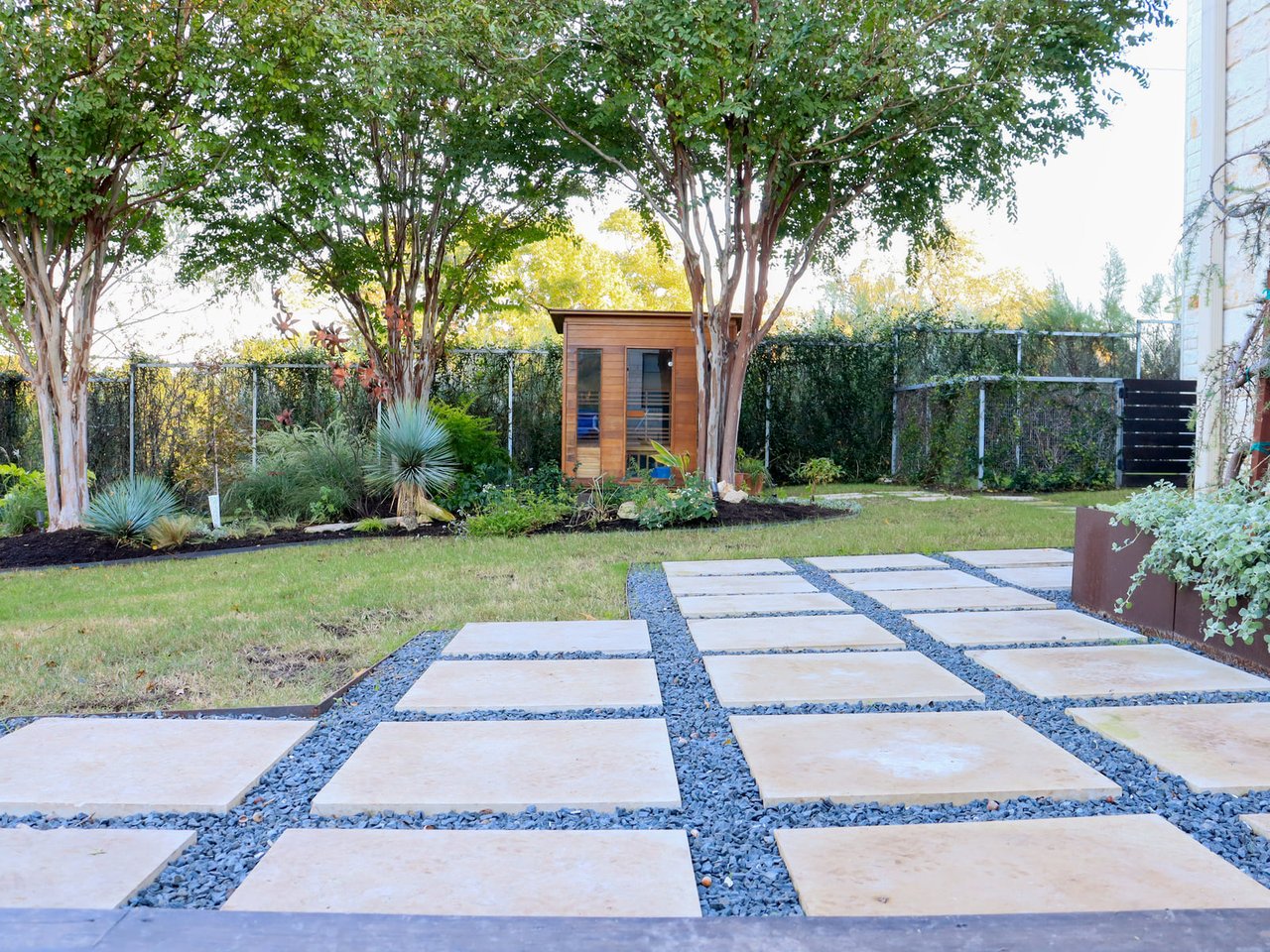
Fall Planting in Austin: A Central Texas Planting Guide
Most Austin homeowners wait until spring to plant. That timing works against the plant. Cooler days, warm soil, and fall rain give new trees and shrubs months to build roots before next summer's heat arrives. This guide covers what to plant this fall and how to prepare clay and limestone soil for it. It also explains how much water new plantings need through October and November. Outdoor Renovations is a licensed landscape contractor serving Westlake Hills, Lakeway, Bee Cave, and the rest of Austin's Central Texas communities. Owner Kyle Stoutenger brings more than 16 years of hands-on experience, and the company has completed more than 200 landscapes across the metro.
Fall Planting Guide for Central Texas Homeowners Fall planting in Austin runs from September through early December, with October the strongest month for trees, shrubs, and ornamental grasses. Central Texas clay-and-limestone soil needs a wide, well-prepped hole and two to three inches of mulch, plus a separate watering schedule for new plantings. Native species like live oaks, Texas mountain laurel, and cenizo establish fastest in the fall-to-spring window. Outdoor Renovations designs and installs fall planting projects across Westlake Hills, Lakeway, and the rest of Central Texas.
Why Fall Is Austin's Best Planting Window
Spring gets the attention, but fall does more of the work. Texas A&M AgriLife Extension calls October the best time to plant new trees and shrubs in Central Texas. The plant spends the cooler months building roots instead of fighting 100-degree heat right out of the ground.
In Austin, that window runs from about September through early December. Soil stays warm enough for root growth long after the air cools down. Fall rain, when it shows up, does a lot of the watering for you. A tree or shrub planted in October gets about five months to establish before the first real heat wave hits in April or May. A tree planted in March gets a few weeks before summer stress sets in.
This matters most for anything with a real root system to grow: trees, large shrubs, and perennial beds. Annual color and turf are more forgiving and can go in almost any time of year with the right water.
Key Takeaway: A tree or shrub planted in October gets about five months of cool-weather root growth before summer heat returns. That's a head start spring planting can't match.
What to Plant This Fall in Central Texas Yards
Fall planting works for nearly everything in a Central Texas landscape. A few categories get the most benefit from the cooler start.
Native and adapted trees and shrubs settle in fastest. Live oaks, Texas mountain laurel, and cenizo are built for this soil and climate. They use the fall-to-spring window to grow the root mass that gets them through their first real Austin summer. Ornamental grasses like Lindheimer muhly and Gulf Coast muhly also do well going in now. They're dormant or slowing down, so transplant stress is lower.
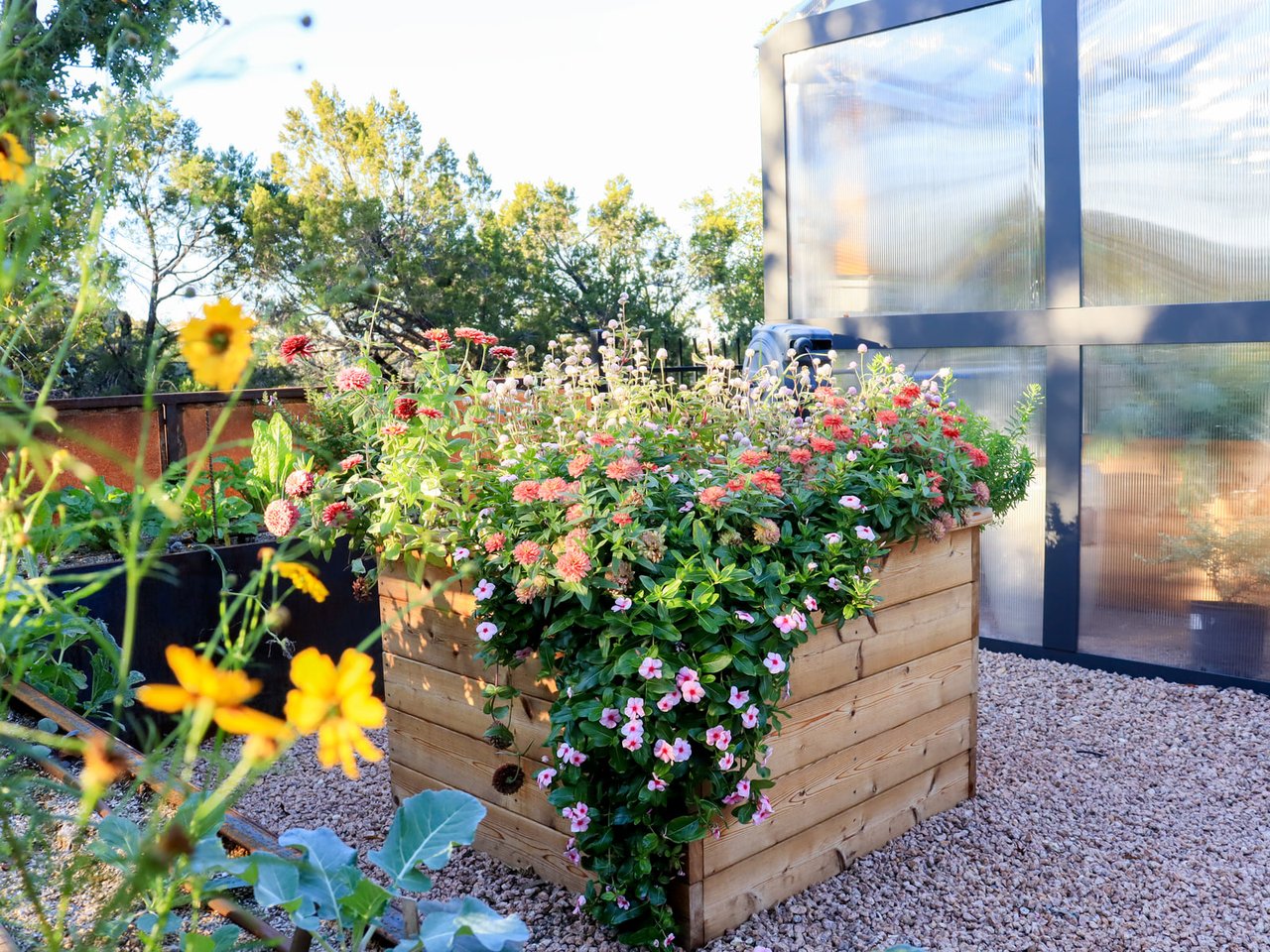
Fall is also the right season for cool-season color beds, shade-tolerant plantings under existing tree canopy, and edible landscaping. Herbs, citrus, and fruit trees all benefit from a season of root establishment before spring growth and fruiting kick in.
Outdoor Renovations installs all of these as part of its softscaping and planting services. The team matches plant selection to each property's sun exposure, soil, and existing landscape design. For a closer look at plant selection and installation across the service area, see our softscaping and planting guide for Westlake Hills.
Getting the Soil and Site Ready Before You Plant
Central Texas soil makes planting harder than it looks. Much of the Austin area sits on expansive clay over shallow limestone. Those same conditions shape hardscape and drainage work on these properties, and they affect how a new plant's roots can spread just as much.
Before anything goes in the ground, the hole needs to be wider than the root ball, not deeper. The backfill needs organic matter worked in if the native soil is heavy clay. The finished bed also needs two to three inches of mulch to hold moisture and moderate soil temperature through fall's warm afternoons and cool nights.
Sites with drainage problems, meaning water that pools instead of moving through the soil, need that issue fixed before planting, not after. A new tree sitting in standing water all winter is a tree that won't make it to spring.
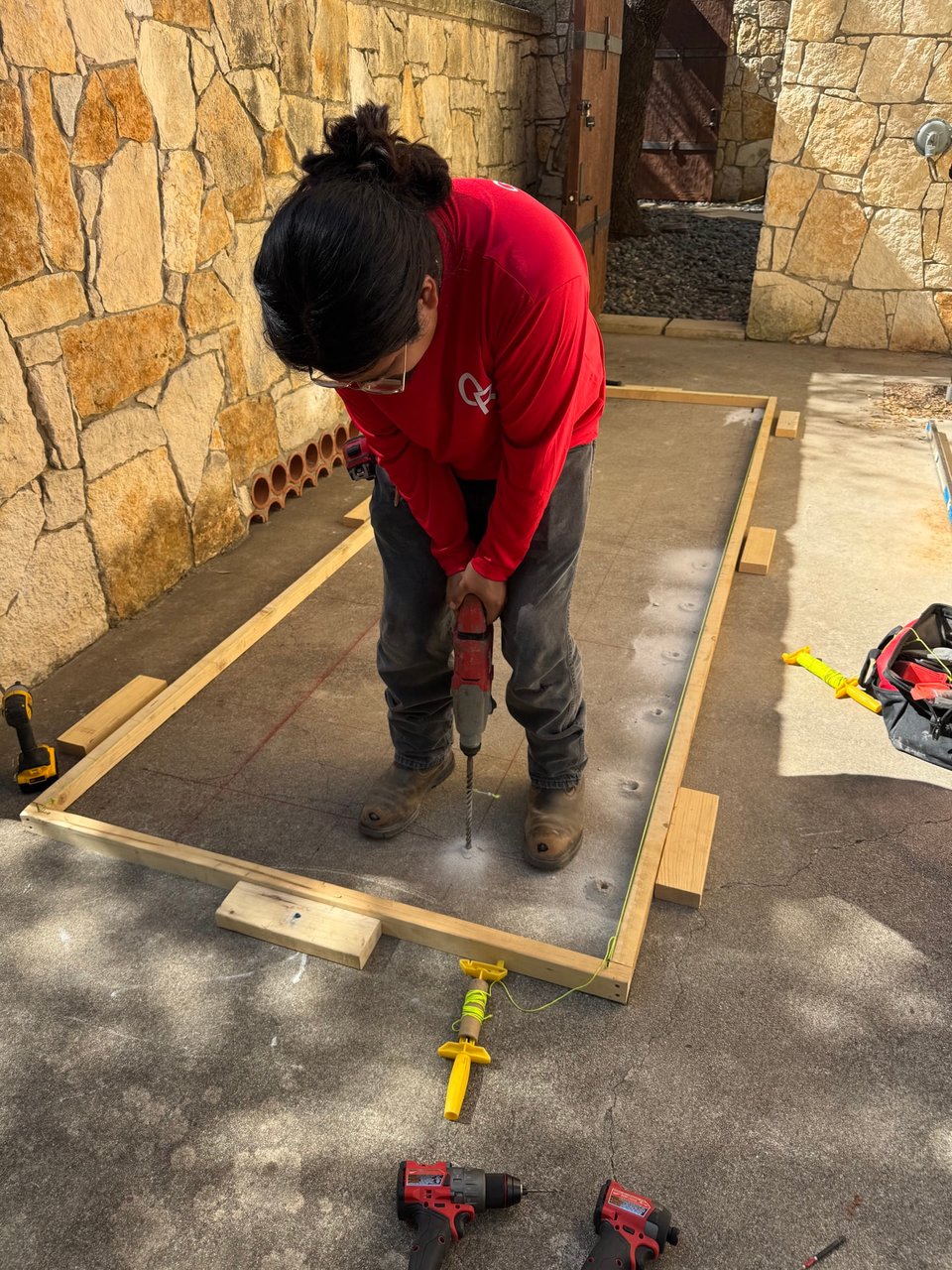
Outdoor Renovations handles this kind of site prep as part of its design process. The team assesses soil, drainage, and sun exposure before recommending a planting plan through its landscape design services.
Key Takeaway: In Central Texas clay and limestone soil, hole prep and drainage matter more to a new plant's survival than which species you pick.
Fall Planting Across Westlake Hills, Lakeway, and the Hill Country
Not every yard in Outdoor Renovations' service area starts from the same soil. Communities across Westlake Hills, Lakeway, Bee Cave, Rollingwood, and Barton Creek share that same clay-over-limestone base. How deep the limestone sits, though, still shifts from yard to yard. A planting hole that works in deep, sandy soil elsewhere in Texas often needs to go wider instead of deeper here. Additional soil gets brought in rather than fighting rock a foot down.
This is one reason a generic planting guide only goes so far. The right depth, amendment, and drainage plan depends on what's under a specific yard. Kyle Stoutenger has spent more than 16 years working across these Central Texas communities. He matches the planting plan to the site instead of applying the same approach everywhere.
Watering New Plantings Through a Central Texas Fall
Fall rain in Austin is inconsistent. Some years bring steady soaking rain; others stay dry into November. New plantings can't rely on rainfall alone during their first few months in the ground.
Newly installed trees and shrubs typically need deep, slow watering two to three times a week for the first several weeks, tapering as roots establish. Drip irrigation on its own zone is the most reliable way to deliver that water without overwatering the established turf and beds nearby. That's one reason irrigation planning happens alongside softscaping installs rather than after.
This is also where fall irrigation scheduling gets more complicated, not less. As temperatures drop, an established lawn needs far less water than it did in July. New plantings on the same property still need regular attention, though. Running one blanket schedule for the whole yard either drowns the lawn or starves the new plants. For a full breakdown of how to adjust a sprinkler schedule for fall while protecting new plantings, see our guide to fall irrigation adjustments for Austin landscapes.
Outdoor Renovations designs irrigation zones around exactly this kind of mixed need through its irrigation and drainage services.
Key Takeaway: New fall plantings need their own watering schedule, separate from the rest of the yard, until roots establish. That's usually a full season of extra attention.
Fall Planting Timeline: What to Do in September, October, and November
A simple way to plan a fall planting project in Austin.
- September: Order or select plants and start soil prep. Amend beds and address any drainage issues.
- Early to mid-October: The best window for trees, large shrubs, and ornamental grasses.
- Late October to November: Still a strong window for smaller shrubs, perennials, and cool-season color beds.
- Through the first hard freeze: Keep new plantings on a consistent watering schedule and hold off on major pruning until late winter.
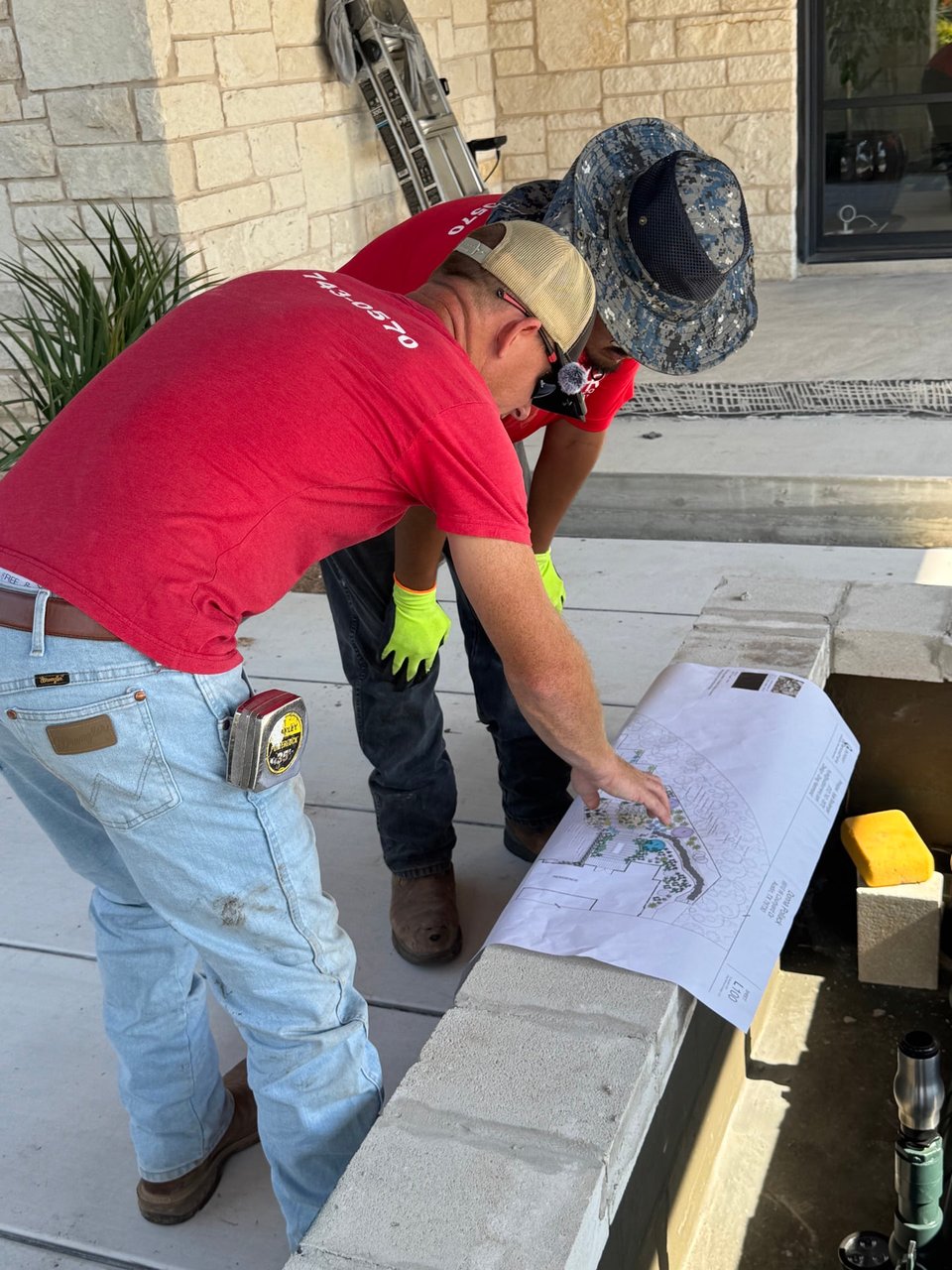
Fitting a fall planting project into a single weekend rarely works on a property with mature trees and drainage considerations. Most projects also involve design goals beyond simply putting plants in the ground. Most Outdoor Renovations planting projects start with a design consultation in late summer. That way, the plant list and site prep are ready before the fall window opens.
When to Call a Professional vs. DIY This Fall
A few new perennials or a shade-tolerant bed under an existing tree is a reasonable weekend project for most homeowners. Larger trees, sites with drainage problems, or a planting plan tied to a broader backyard redesign are a different scope. A wrong call on placement, soil prep, or irrigation costs more to fix later than it would have cost to plan correctly up front.
Kyle Stoutenger's rule of thumb: any project that touches drainage or mature trees is worth a professional look before the first shovel goes in. That's especially true on properties where the planting plan is part of a larger backyard remodel. Trees, hardscape, and irrigation all need to work together there, instead of getting designed one at a time.
Planning Your Fall Planting Project
Fall is the season Central Texas plants are built for, not an afterthought before winter. Getting trees, shrubs, or a full bed redesign in the ground between September and November gives them a real head start on next year's growth. It starts with matching the right plants to the right soil conditions on a specific property.
Outdoor Renovations designs and installs fall planting projects across Westlake Hills, Lakeway, Bee Cave, Dripping Springs, and the rest of Central Texas. The work is backed by a 1-year service guarantee on every project. To schedule a fall planting consultation before the window closes, contact Outdoor Renovations or call (512) 743-0570.
Softscaping & Planting in Westlake Hills & Central Texas
Landscaping Services Near You
Frequently Asked Questions
What is the best month to plant in Austin, Texas?
October is the best month for fall planting in Austin. September through early December makes up the full fall planting window. Texas A&M AgriLife Extension identifies fall as the ideal season for trees and shrubs in Central Texas. Cooler air lets roots establish before summer heat returns. Soil stays warm enough for root growth well after daytime temperatures drop, which is what makes the fall window work.
Can I still plant trees and shrubs in November in Texas?
Yes. Central Texas soil typically stays warm enough for root establishment through November and often into early December, well after the first cool fronts arrive. Smaller shrubs, perennials, and cool-season color beds do especially well planted in late fall. The main limit is the first hard freeze. Once that hits, hold off on new plantings until the ground warms again in late winter or early spring.
What native plants grow well in an Austin fall garden?
Live oaks, Texas mountain laurel, and cenizo are native, well-adapted species for Central Texas landscapes. Ornamental grasses like Lindheimer muhly and Gulf Coast muhly do well too. These plants are built for the region's soil and rainfall patterns, and installing them in fall gives them a full season of root growth before their first Austin summer.
Do newly planted trees and shrubs need extra water in the fall?
Yes. Even though fall temperatures are milder, new plantings still need consistent water while their roots establish. That typically means deep watering two to three times a week for the first several weeks, tapering as the plant settles in. Rainfall alone is inconsistent in a Central Texas fall and shouldn't be relied on for a new planting's first season.
Is fall or spring better for planting trees in Central Texas?
Fall has the advantage for most trees and shrubs. A tree planted in October gets roughly five months of cool-weather root growth before summer heat returns in April or May. A tree planted in spring gets just a few weeks before that stress begins. Fall planting sidesteps the Texas summer entirely during a plant's first year in the ground.
How late in the year can I plant before winter in Austin?
Most fall planting should be done before the first hard freeze. That freeze typically arrives in Austin in December. Trees and large shrubs are best planted by mid-to-late October to get the most benefit from the cool-season window. Smaller shrubs and perennials have more flexibility into November.
Need Landscaping Service in Austin?
Contact Outdoor Renovations today for softscaping planting services in Austin, TX.