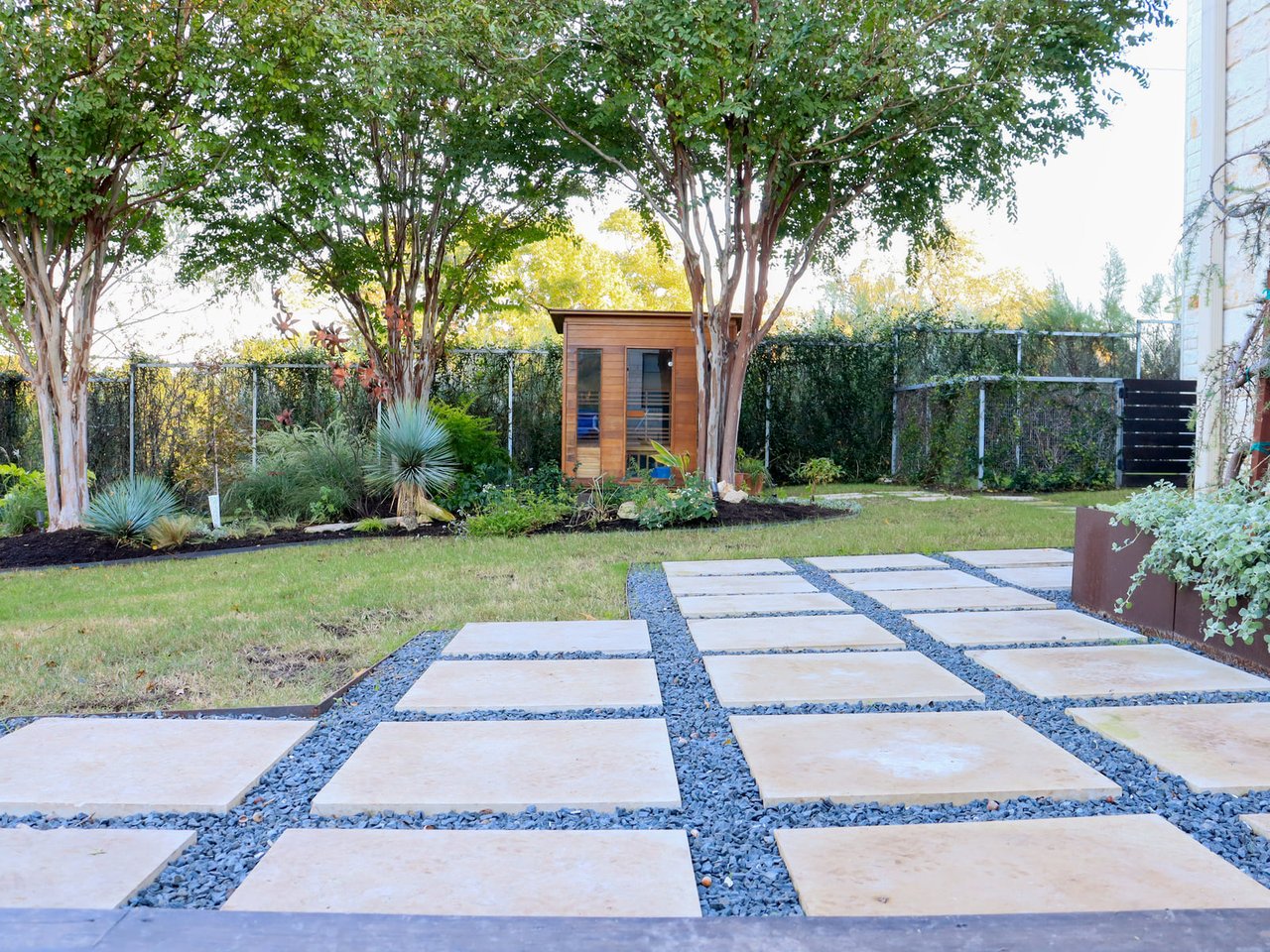
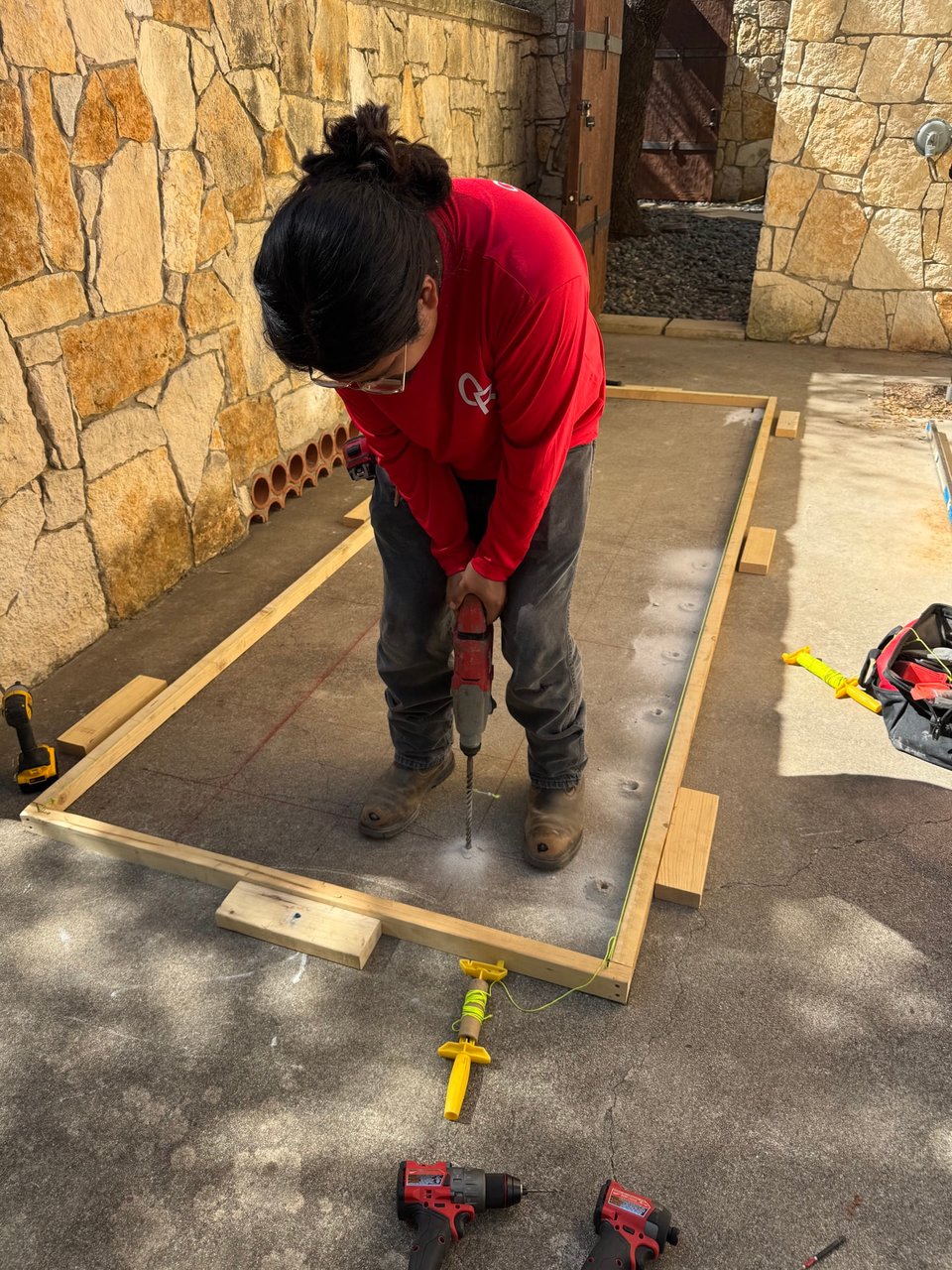
Softscaping & Planting in Westlake Hills: Fall Planting Guide
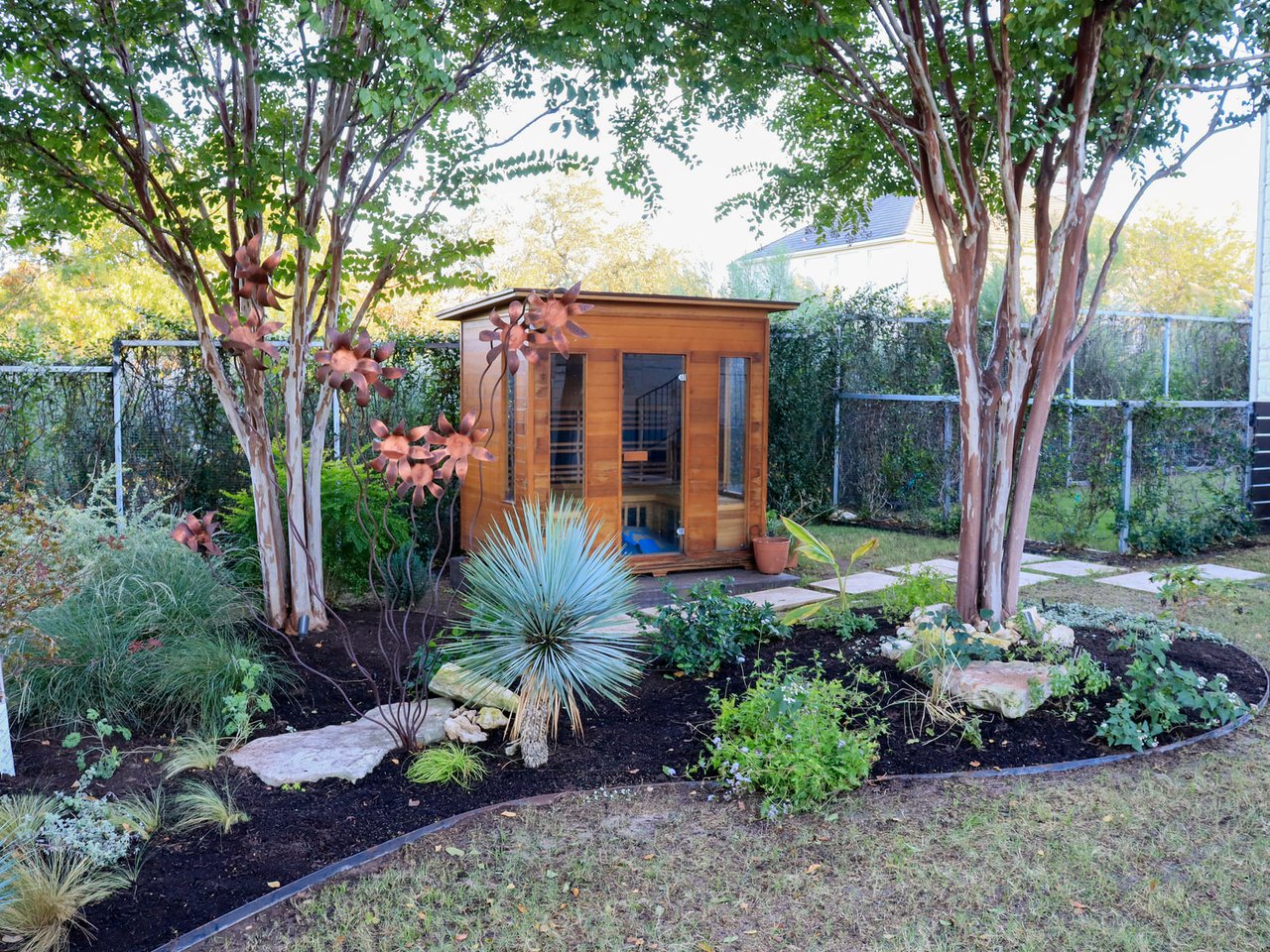
When storms roll through Westlake Hills this fall, you'll see fast why softscaping matters so much out here. Outdoor Renovations has spent years working in the clay and limestone soils of Travis County, and fall is when we get the most calls about plant loss, erosion, and bare patches that just won't fill in. Softscaping & planting means picking the right plants, prepping the soil the right way, and installing everything so it can handle our heat, our rain, and our rocky ground. Done right, it's one of the best investments you can make in your yard.
Softscaping & Planting Guide for Westlake Hills Homeowners Softscaping covers the living parts of your landscape: trees, shrubs, groundcover, and soil prep. Fall is the top season to plant in Central Texas because cooler air and warm soil let roots grow strong before next summer's heat. Westlake Hills homeowners deal with clay-limestone soil and steep grades, so proper drainage and native plant choices matter as much as the planting itself. This guide covers plant picks, soil fixes, and how to protect new plantings from fall storms.
Why Fall Is the Right Time to Plant in Westlake Hills
Central Texas has two real planting windows: March through May, and September through November. Fall is often the better pick for most homeowners.
Here's why. Soil holds onto summer heat well into October. That warmth keeps root growth active even as air temperatures drop. Plants get to spend the next several months building a root system without fighting off 100-degree days at the same time.
This year, Austin is looking at temperatures between 77°F and 99°F this week, with storms and rain moving through over several days. That swing between warm soil and cooler air is exactly the setup that helps new plantings settle in fast.
Spring planting works too, but those plants have less time before summer heat lands on them. A plant installed in October has a five to six month head start compared to one installed in April.
Contractor insight: In Kyle Stoutenger's experience, the biggest mistake homeowners make is waiting until spring because they think fall is "off season" for yard work. It's actually the opposite. Fall planting sets plants up to survive their first Austin summer with far less stress, and far less watering on your part.
Key Takeaway: Fall's warm soil and cooler air give new plants a strong head start on root growth before next summer's heat arrives. Planting now, even with storms in the forecast, sets your yard up for a much easier summer.
Westlake Hills Soil: What You're Really Working With
Westlake Hills sits on a mix of Austin clay soils and limestone bedrock, often just a few inches below the surface. This combination creates a few real challenges.
Limestone substrata means water doesn't always soak in evenly. It moves along the rock layer and can pool in low spots or push toward the surface in odd places. Clay soil holds water longer than sandy soil, then shrinks and cracks when it dries out. That expansion and contraction cycle stresses plant roots and can heave shallow-rooted plants right out of the ground over time.
Add in the mature tree canopy found across many Westlake Hills lots, and you get another layer of competition. Large live oaks and cedar elms pull huge amounts of water and nutrients from the surrounding soil. Anything planted near them needs to tolerate shade, root competition, and dry pockets under the canopy.
We test and read the soil on every property before we plant anything. That means checking how water drains, where the limestone sits close to the surface, and where old tree roots have already claimed the ground. For a deeper look at how your whole property fits together, our landscape design team can map out the right plan before any planting starts.
Contractor insight: A common mistake we see from other crews is treating every part of a yard the same way. On a single Westlake Hills lot, you might have thin caliche soil on a slope, heavy clay near the house, and root-choked shade under an oak canopy — all within 50 feet. Each zone needs different plants and different soil prep, not a one-size-fits-all plan.
Fall Storms, Erosion, and Why Drainage Comes First
This week's forecast calls for several days of rain and thunderstorms across the Austin area. On flat lots, that's manageable. On the steep, sloped properties common in Westlake Hills and the Hill Country, it's a different story.
Heavy rain on a slope moves fast. It can strip topsoil, wash out newly planted beds, and carry mulch and loose soil straight into the street or a neighbor's yard. Flash flooding is a real risk on properties with steep grades, especially where soil has been disturbed by recent digging or planting.
This is why we never treat planting as a standalone job. Grading, soil stabilization, and drainage planning have to happen first, or before rain events, especially on hillside lots. A French drain (a gravel-filled trench with a perforated pipe that redirects underground water) can pull excess water away from planting beds before it causes erosion or root rot.
If your property already has runoff problems, or you've noticed bare patches, gullies, or pooling water after storms, it's worth having our irrigation & drainage team take a look before you plant anything new. Planting into a drainage problem just means replanting again next year.
Key Takeaway: Steep Hill Country lots move water fast during storms. Fixing drainage and grading before planting protects your investment and prevents erosion that can wash out new beds entirely.
Plant Choices That Actually Survive Central Texas
Not every plant sold at a big box store belongs in a Westlake Hills yard. Here are picks that hold up to our heat, our rain patterns, and our soil.
Texas sage is a tough, silvery-leafed shrub that thrives in poor, rocky soil and needs very little water once established. It also tends to bloom right before a rain, which is a nice bonus.
Flame acanthus brings bright orange-red blooms and pulls in hummingbirds. It handles drought well and doesn't mind our alkaline soil.
Lindheimer muhly and Mexican feathergrass are ornamental grasses that add movement and texture without demanding much water or maintenance. Both hold soil in place on slopes, which helps with erosion control too.
Cedar elm and live oak are the backbone trees of this region. They're built for our clay-limestone soil, tolerate both drought and heavy rain, and provide the shade canopy that keeps outdoor spaces usable through summer.
The Lady Bird Johnson Wildflower Center has extensive resources on native Central Texas plants if you want to dig deeper into what grows well in our specific ecology.
Why native over ornamental? Non-native ornamentals often need more water, more fertilizer, and more babysitting to survive our summers. Native and adapted plants have root systems built for exactly the soil and rainfall pattern we have. That's less work for you and a better survival rate long term.
Common Softscaping Mistakes We See in Central Texas Yards
A few habits show up again and again on properties we're called out to fix.
Planting too deep. Setting a plant's root ball below grade traps water around the trunk or stem, which invites rot. The top of the root ball should sit slightly above the surrounding soil, not below it.
Ignoring soil prep. Just digging a hole and dropping a plant in clay or caliche soil often leads to poor drainage right at the root zone. We work compost and soil amendments into the planting area so roots can actually spread.
Overwatering new plants out of worry. It sounds backwards, but too much water in clay soil drowns roots faster than too little. Roots need oxygen, and waterlogged clay squeezes that out.
Skipping mulch. A proper mulch layer holds soil moisture, blocks weeds, and protects roots from temperature swings. Bare soil around new plants dries out and erodes fast, especially on a slope during a rainstorm.
Contractor insight: Kyle Stoutenger has seen plenty of DIY plantings fail within a year, and it's almost always one of these four issues, not bad luck. Getting the soil prep and depth right at installation saves years of replanting.
Key Takeaway: Most plant failures in Central Texas trace back to poor soil prep, wrong planting depth, or watering habits that don't match our clay soil. Getting these basics right up front saves money and frustration later.
Smart Irrigation: Making Every Drop Count
Austin Water enforces mandatory water restrictions year-round, from Stage 1 through Stage 4 depending on drought conditions. That makes efficient watering a requirement, not just a nice idea.
A smart irrigation controller adjusts watering schedules based on weather, soil moisture, and season. These systems can cut water use by 30–50% compared to a standard timer running on a fixed schedule. Pairing drip irrigation (a low-flow system that delivers water straight to the root zone through small emitters) with new plantings is one of the most effective ways to keep new plants alive without wasting water.
Drip irrigation beats spray heads for planting beds because it puts water exactly where roots need it, with far less evaporation and runoff. Spray heads still make sense for turf areas, but for shrub beds and new plantings, drip is almost always the better call.
Our team handles both the plant selection and irrigation design together for a reason: a beautiful plant on the wrong watering schedule won't last. If you want to see how these systems work together, check out our irrigation & drainage page. The EPA WaterSense program also has solid general guidance on efficient irrigation practices homeowners can use.
What a Softscaping Investment Really Returns
Quality landscaping isn't just about curb appeal. Industry data from the National Association of Landscape Professionals points to a 100–200% return on investment for well-done landscaping work. That range covers everything from plant installations to full outdoor living spaces.
In a market like Westlake Hills, where home values already run high, a well-planted, well-maintained yard sets a property apart. Mature tree canopy, healthy native beds, and clean drainage tell a buyer the property has been cared for.
Beyond resale, there's the day-to-day value. A yard that doesn't fight you every summer, that doesn't wash out every time it rains, and that looks good year-round is worth something you can't always put a number on.
For homeowners thinking about a bigger overhaul, pairing softscaping with hardscaping elements like patios or retaining walls, plus landscape lighting to show it off at night, creates a complete outdoor space instead of a patchwork of separate projects.
Key Takeaway: Softscaping delivers strong return on investment, but the bigger win is a yard that holds up through Austin's weather extremes without constant repair or replanting.
Getting Ready for Fall Planting Season
Here's how we approach a fall softscaping project on a Westlake Hills property.
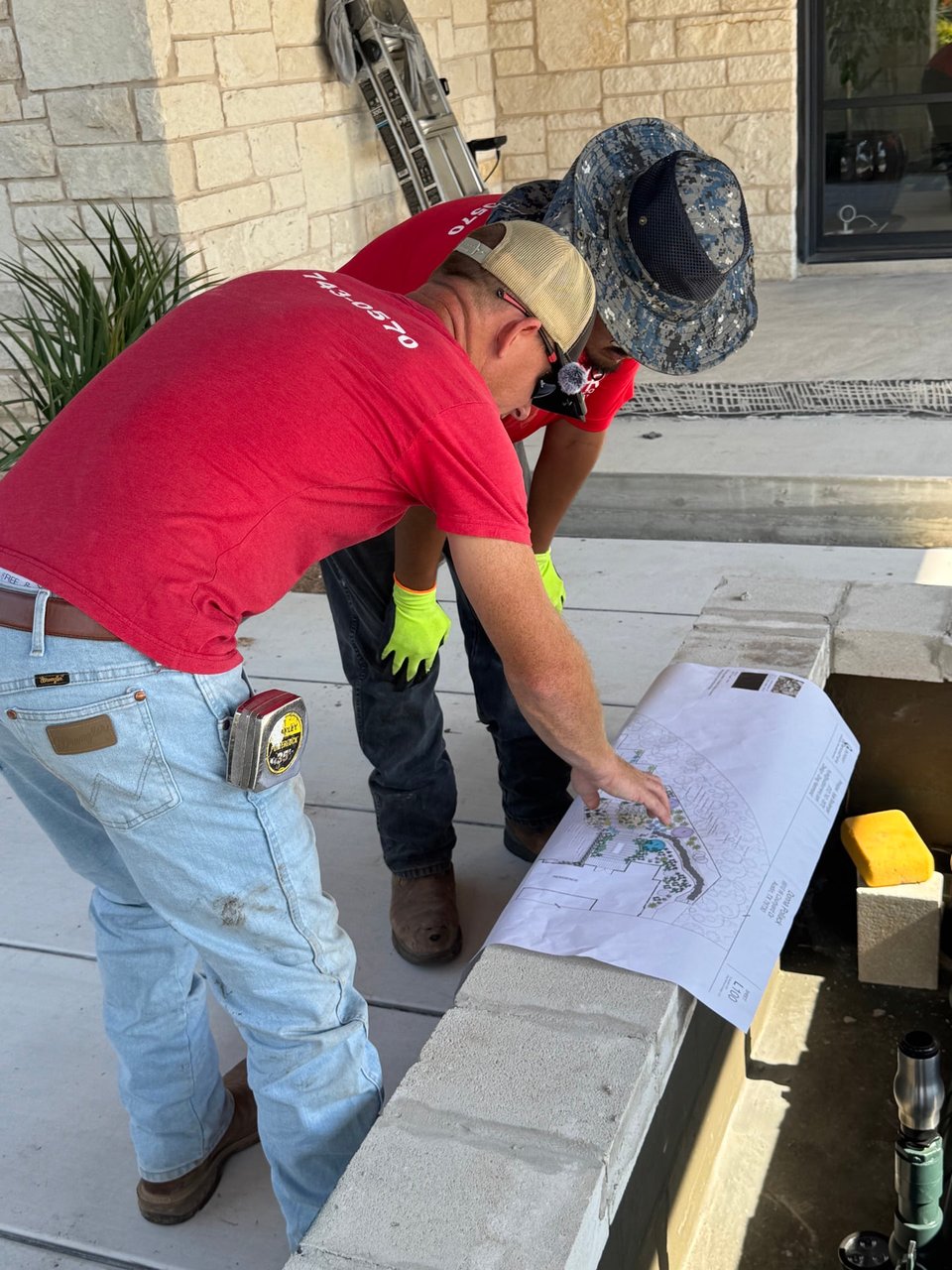
First, we walk the site and check soil conditions, drainage patterns, and existing tree root zones. Second, we plan around any current storm damage or erosion, especially with rain already in the forecast this week. Third, we select plants suited to each zone of the property, not a single generic plant list for the whole yard.
From there, installation includes proper soil amendment, correct planting depth, mulch, and an irrigation setup built for the specific plants going in. We also check whether existing drainage can handle the added planting beds or if adjustments are needed first.
If your property has mature oaks, sloped sections, or a mix of sun and heavy shade, that complexity is normal for Westlake Hills. It just means the plan needs to account for it instead of ignoring it.
For general background on regional horticulture and soil science, the Texas A&M AgriLife Extension offers reliable, Texas-specific resources worth reviewing.
Ready to Plant This Fall?
Storms this week are a reminder that Central Texas weather doesn't wait around, and neither should your planting plans. Outdoor Renovations is a licensed, bonded, and insured landscape contractor serving Westlake Hills and all of Central Texas, backed by a 1-year service guarantee and over 200 completed projects with a 5.0-star rating. Whether you need a full softscaping plan, drainage fixes ahead of the next storm, or just want native plants that'll actually survive next summer, we're ready to help. Call us at (512) 743-0570 or visit our contact page to schedule a visit. You can also learn more about our softscaping & planting services in Westlake Hills or browse our portfolio to see past work across the region.
Softscaping & Planting in Westlake Hills & Central Texas
Landscaping Services Near You
Frequently Asked Questions
When is the best time to plant in Westlake Hills, TX?
Fall, from September through November, is one of the two best planting windows in Central Texas. The other is spring, from March through May. Fall works well because the soil is still warm from summer, but the air is cooler, so plants can grow roots without the stress of extreme heat.
Why does fall planting work better than spring in Central Texas?
Plants put in the ground in fall get several months of mild weather to grow roots before next summer's heat hits. This gives them a head start compared to spring planting, where roots have less time to establish before triple-digit temperatures arrive.
What plants do well in Westlake Hills' rocky, clay soil?
Native and adapted plants handle our mixed clay and limestone soil best. Texas sage, flame acanthus, Lindheimer muhly, Mexican feathergrass, cedar elm, and live oak are all solid choices. These plants have roots built for our soil and rainfall patterns.
How does heavy rain and flash flooding affect new plantings?
Heavy rain can wash out loose soil, expose roots, and drown plants that sit in low spots without good drainage. On sloped Hill Country lots, water moves fast and can erode new beds before roots take hold. Good grading and drainage work before planting helps prevent this.
Do I need to amend my soil before planting?
In most cases, yes. Austin-area clay and caliche soils drain slowly and can be low in organic matter. Working compost and the right amendments into the planting area helps roots spread and helps water move through the soil instead of pooling.
How much water do new plants need in Central Texas?
New plants need more frequent watering for the first several weeks while roots establish, then less once they're settled. A smart irrigation controller with drip lines helps deliver water efficiently and supports Austin Water's mandatory conservation rules.
Can Outdoor Renovations help with drainage problems along with planting?
Yes. We look at grading and drainage as part of every planting plan, especially on sloped Hill Country lots. If your property needs French drains or better runoff control, we handle that through our irrigation and drainage service.
Is softscaping just about plants, or does it include other work?
Softscaping covers all the living parts of your landscape: plants, trees, shrubs, groundcover, and soil health. It works alongside hardscaping (patios, walls, walkways) to create a complete outdoor design that holds up in Central Texas conditions.
Need Landscaping Service in Austin?
Contact Outdoor Renovations today for softscaping planting services in Austin, TX.